
Vegetable Gardening Checklist: Monthly Tasks for a Bountiful Harvest
A productive vegetable patch is less about luck and more about rhythm. Crops fail when we sow too early, forget to water at the critical moment, or leave bolted lettuce sitting in the ground for a month. Get the timing roughly right, though, and even a small plot will feed you from late spring well into autumn.
Use this checklist as a framework, not a straitjacket. Your climate, soil and last frost date will shift everything by a few weeks in either direction, so treat the months as general signposts. If you garden in a cold region, read each entry a fortnight later; in a mild one, a fortnight earlier.
Late Winter: Plan, Prepare and Start Sowing
January and February are quiet in the garden but busy at the kitchen table. This is when good seasons are decided.
- Order seeds and seed potatoes before the varieties you want sell out. Check what's left from last year — onion sets and parsnip seed rarely keep well.
- Sketch your rotation. Keep brassicas (cabbage, broccoli, kale) out of ground that grew them last year, and follow hungry crops like courgettes with legumes, which fix nitrogen.
- Improve the soil. Spread well-rotted compost or manure over empty beds and let the worms work it in. Don't dig frozen or waterlogged ground.
- Clean and sharpen tools. A sharp hoe makes weeding a five-minute job instead of a chore.
- Chit early potatoes in a cool, bright spot indoors from late January.
- Sow under cover towards the end of the month: onions, leeks, early brassicas and hardy salads in a greenhouse or on a sunny windowsill.
If you have a heated propagator or a warm windowsill, tomatoes and peppers can be started late in the month in cold climates, but hold off if your light levels are poor — leggy seedlings never catch up.
Early Spring: Get Things Growing
March is the month the garden wakes up. Soil is still cold, so be patient with direct sowing outdoors.
Jobs for March
- Cover prepared beds with black polythene or fleece two weeks before sowing to warm the soil.
- Direct sow broad beans, parsnips, early carrots, radishes and spinach where the ground is workable.
- Plant out onion sets and shallots once the worst frosts have passed.
- Pot on tomato and pepper seedlings into larger containers.
- Weed early and often — small weeds are easy, big ones steal nutrients.
Jobs for April
- Sow beetroot, chard, peas, lettuce and maincrop carrots outdoors.
- Harden off greenhouse-raised seedlings over a week before planting them out.
- Earth up early potatoes as shoots appear, protecting them from late frost.
- Watch for slugs on new growth; a nighttime torchlight check tells you where they hide.
Late Spring: The Big Planting Push
Once the risk of frost has passed — usually May in temperate regions — the pace accelerates sharply. Everything you've raised indoors needs a home, and the beds fill up fast.
- Plant out tomatoes, courgettes, squash, sweetcorn, French and runner beans.
- Sow successional salads, radishes and beetroot every two to three weeks for a continuous supply.
- Stake or support tall crops before they need it. Doing it later risks snapping roots.
- Water newly planted seedlings daily for the first week, then ease off to encourage deep roots.
- Feed tomatoes and peppers weekly once the first flowers set.
- Pinch out side shoots on cordon tomatoes and tie in stems as they grow.
Keep a sharp eye on brassicas: net them against pigeons and butterflies early, because once caterpillars are established, picking them off becomes a daily job.
Summer: Watering, Feeding and Harvesting
High summer is about maintenance and picking. A vegetable garden left for a week in July will punish you with bolted lettuce and split tomatoes.
Watering that actually works
Water deeply and less often rather than little and often. A thorough soak twice a week pushes roots down; a daily sprinkle encourages shallow, drought-prone plants. Water in the morning or evening to reduce evaporation, and aim at the soil, not the leaves, which helps limit fungal problems. Mulching with compost or straw cuts watering by a noticeable margin.
Harvesting tips
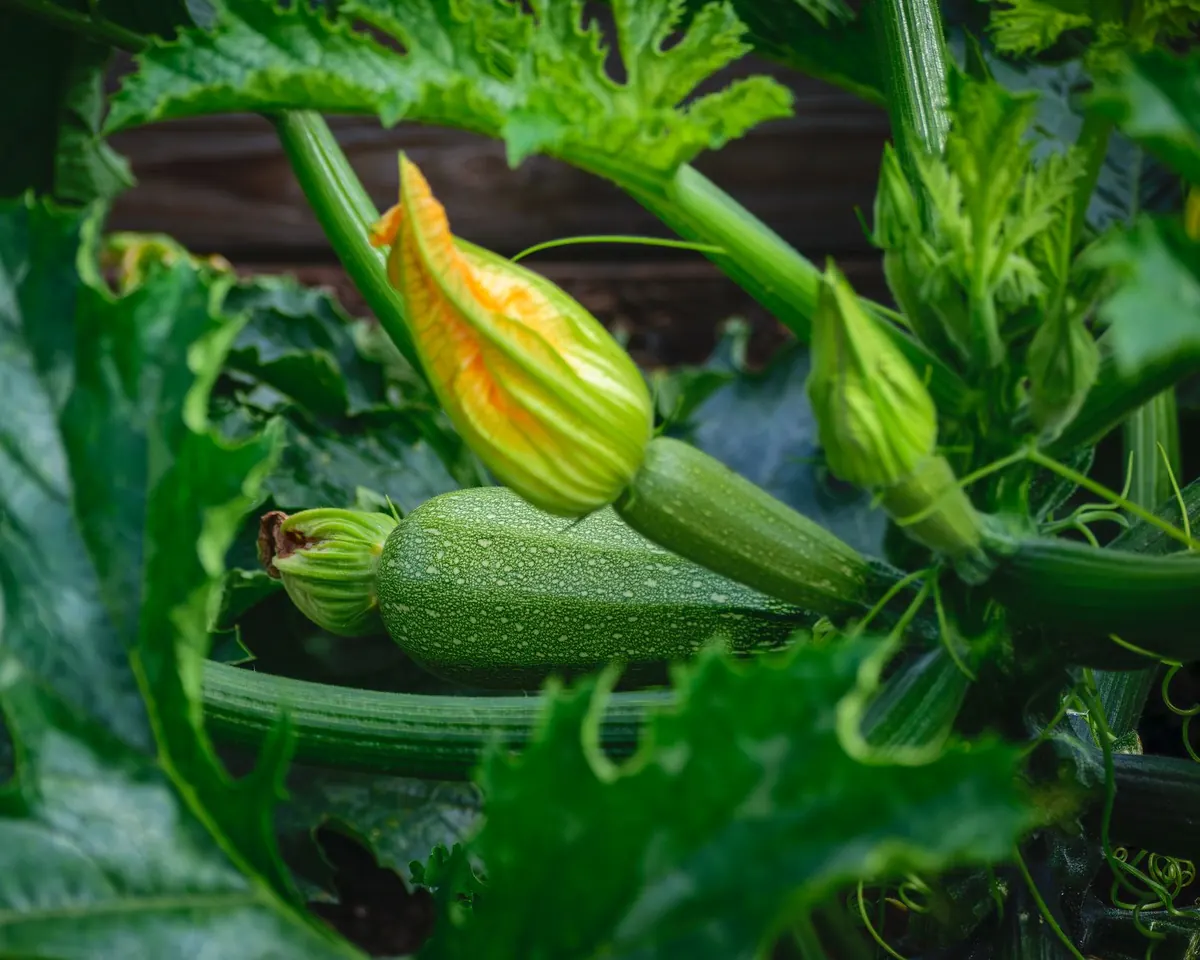
- Pick courgettes and cucumbers young and often — the plants keep producing if you don't let fruits mature.
- Harvest runner and French beans every few days; leaving pods to swell stops new flowers forming.
- Cut lettuce and spinach leaf by leaf, or sow new rows as old ones tire.
- Lift garlic and onions when the tops flop and yellow, then dry them somewhere airy.
August is prime time for sowing winter crops: kale, winter salad, spring cabbage and overwintering onions. Space freed by finished peas and early potatoes is ideal for this.
Autumn: Clear, Sow and Store
September and October are a satisfying mix of harvest and preparation. Frost is coming, and the garden needs to be set up for next year.
- Harvest tomatoes before the first frost and ripen green ones indoors on a sunny sill.
- Lift maincrop potatoes on a dry day and let them dry before storing in paper sacks.
- Sow green manure such as field beans or grazing rye on empty beds to protect soil over winter.
- Plant garlic and overwintering broad beans where drainage is good.
- Clear spent crops and compost healthy material; bin anything diseased.
- Collect fallen leaves for leafmould — a free soil conditioner next year.
Winter: Rest, Repair and Plan Again
December slows everything down, but a few short sessions outside keep the plot in good shape.
- Check stored crops for rot and remove any affected roots or bulbs.
- Harvest leeks, parsnips, kale and Brussels sprouts as needed; parsnips taste sweeter after frost.
- Repair raised beds, paths and netting while there's time.
- Spread compost on beds and cover bare soil to stop nutrients washing away.
- Review notes from the season: what cropped well, what bolted, what you'll grow less of.
Making the Checklist Work for You
Don't try to do everything. Pick the tasks that matter most for your plot and your available time, and write them into a calendar or notebook so nothing slips. A garden diary — even a few lines a week — is the single most useful tool for improving next year's harvest, because it records what actually happened rather than what you meant to do.
Start small, keep the soil covered and fed, water sensibly, and harvest regularly. Those four habits will carry you through the year far more reliably than any elaborate schedule.
Photo: Thomas Parker / Pexels