
How to Plan a Safe and Enjoyable Family Camping Trip
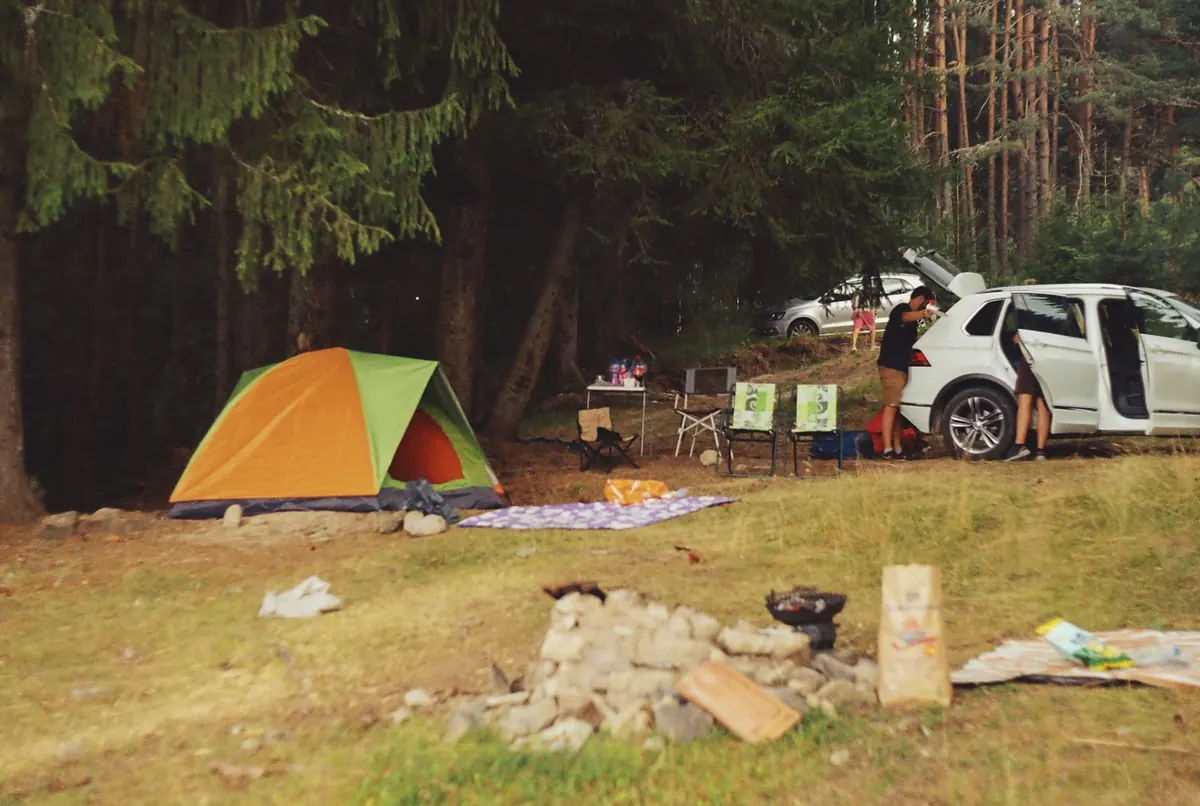
Camping with children is one of the few hobbies that rewards a little planning with a very large payoff. Get the basics right — a decent site, gear that fits your family, a handful of rules everyone actually remembers — and you spend the weekend watching your kids poke at a campfire instead of hunting for a missing flashlight at midnight. The goal isn't a perfect trip. It's a trip everyone wants to repeat.
Choosing the Right Campsite
Match the site to your family's tolerance for roughing it. A state park campground with flush toilets, potable water and a camp host is not a compromise; it's the sensible choice for a first or second outing. Walk-in sites and dispersed camping on public land can be wonderful once your crew is comfortable, but they add work that first-timers rarely enjoy.
When you book, look at the site map rather than just the photo. A few things matter more than scenery:
- Distance from the bathroom. Close enough for a child to walk there at night with a headlamp, far enough that you don't hear the door bang every twenty minutes.
- Ground level and drainage. Avoid the low spot at the bottom of a slope. That's where water collects after an evening storm.
- Shade and shelter. Trees on the east side make mornings bearable in summer. Check overhead for dead limbs before you pitch anything.
- Rules and restrictions. Fire bans, quiet hours, pet policies and alcohol rules vary by park and by season. Read them before you arrive.
Read the fine print
Check whether the campground allows fires at all, whether you need a permit, and how far the nearest town or ranger station is. If you're camping somewhere remote, note the closest point where emergency vehicles can reach you. Cell coverage is often patchy in exactly the places that look best in photographs, so don't count on it.
Packing by Function, Not by Panic
The fastest way to overpack is to think about everything at once. Instead, pack in categories and use one bin or duffel per category, so anyone can find the stove fuel without unpacking the whole car.
- Sleep. Tent, groundsheet, sleeping bags rated for the expected overnight low, sleeping pads, and a small pillow per person. Pads matter more than most people expect, especially for adults.
- Kitchen. Stove and fuel, lighter plus matches, one pot and one pan, a cutting board, utensils, a wash basin, dish soap, and a bin or bear box for food.
- Clothing. One warm layer and one complete dry set per person, rain shells, hats, closed shoes, and more socks than seems reasonable.
- Light and power. A headlamp for every person, spare batteries, and a charged power bank.
- Health. First-aid kit, sunscreen, insect repellent, hand sanitizer, and any personal medications in their original packaging.
- Repair and miscellany. Tarp, rope, duct tape, garbage bags, a multi-tool, and camp chairs for the adults.
Give each child a small pack of their own with a water bottle, a snack, a flashlight or headlamp, a whistle, and one quiet activity. Carrying their own gear builds a little ownership, and it means their essentials stay with them rather than at the bottom of your bag.
If anyone in the family has a medical condition, a serious allergy, or needs medication that must stay cold, talk with a healthcare professional before the trip about what to bring and how to store it.
Setting Up Camp Safely
Arrive with daylight to spare. Pitching a tent in the dark with tired children is the single most reliable way to turn a good weekend sour.
Choose a level patch, clear it of sticks, rocks and pine cones, and orient the door away from the prevailing wind. Stake the tent properly; a gust at 2 a.m. is not the moment to discover you skipped the guy lines. Look up before you commit — a dead branch overhead is a genuine hazard, not a superstition.
Before dusk, walk the route to the bathroom and the water tap with the kids so nobody is exploring it for the first time by flashlight. Then set the fire rules. Use an existing ring, keep flames well clear of the tent and any overhanging branches, never leave a fire unattended, and put it out completely with water and stirring — repeat until the ashes are cold to the touch. Check local fire restrictions before you light anything at all.
Store food, coolers, and anything scented — toothpaste, sunscreen, candy — outside the tent and away from where you sleep. Use a bear box, a locked vehicle, or a properly hung bag, depending on the area. Take the trash out of camp before you turn in, not in the morning.
Three Rules Everyone Can Remember
Long lists of safety instructions don't survive contact with a playground. Keep it simple and repeat it at the start of each day:
- Stay where you can see the tent unless an adult is with you. Set a physical boundary for younger children — "between the blue tarp and the picnic table."
- Blow the whistle if you're lost. Stay put and blow it. Every kid's pack carries one.
- Tell an adult before you go anywhere, even ten steps away.
Agree on a meeting point in case anyone gets separated, and make sure the adults know it too. Keep a basic first-aid kit in camp and in the car, and know how to use what's in it.
Meals That Don't Take All Day
Plan for one-pot cooking and minimal cleanup. The first night's dinner can be made at home and reheated — chili, stew, or foil packets you assemble in the kitchen and warm over coals. Breakfast is oatmeal, eggs, or pancakes from a mix. Lunch is bread, cheese, fruit, and whatever survived the hike.
Snacks deserve real thought. Hungry children are impatient children, so keep a bin of trail mix, crackers, apples, and jerky within easy reach. Everyone should drink more water than they think they need, especially at altitude or in dry heat. Confirm whether the campground water is potable, or bring your own. Wash hands before meals and after bathroom trips, even if it's just a splash and soap.
Filling the Day, and the Rainy Hour
Camping works best with a loose shape rather than a schedule. A short morning hike with a destination — a lake, a lookout, a big fallen log — gives everyone purpose. After lunch, protect an hour of nothing: hammocks, cards, a book, a nap.
For the afternoons, pack a few low-effort entertainments: a nature scavenger hunt list, a set of cards, glow sticks for after dark, a star chart, and fishing gear if the water and the rules allow it. Older kids often take to whittling or fire-building practice with close supervision. Bring a tarp you can rig over the picnic table, so a passing shower becomes a card game instead of a crisis.
Start Small, Then Stretch
Your first family trip should be one night, at a campground within an hour of home, with one planned activity and no ambition beyond that. Pitch the tent in the yard first if it's new to you. Write a short packing list on your phone as you load the car — the things you forgot this time become next time's list.
Leave a buffer for packing up. Tired kids and a half-dry tent make for a grim drive home, so plan to break camp slowly, with a snack and a final walk around the site to check for anything left behind.
Get one easy trip under your belt and the next one gets simpler. That's the real trick: not perfect gear or a flawless plan, but a family that knows the routine — who pitches what, who fetches water, who is in charge of the marshmallows — and looks forward to doing it again.
Photo: Simeon Stoilov / Pexels