
Basket Weaving Materials Compared: Reed vs. Willow vs. Cane
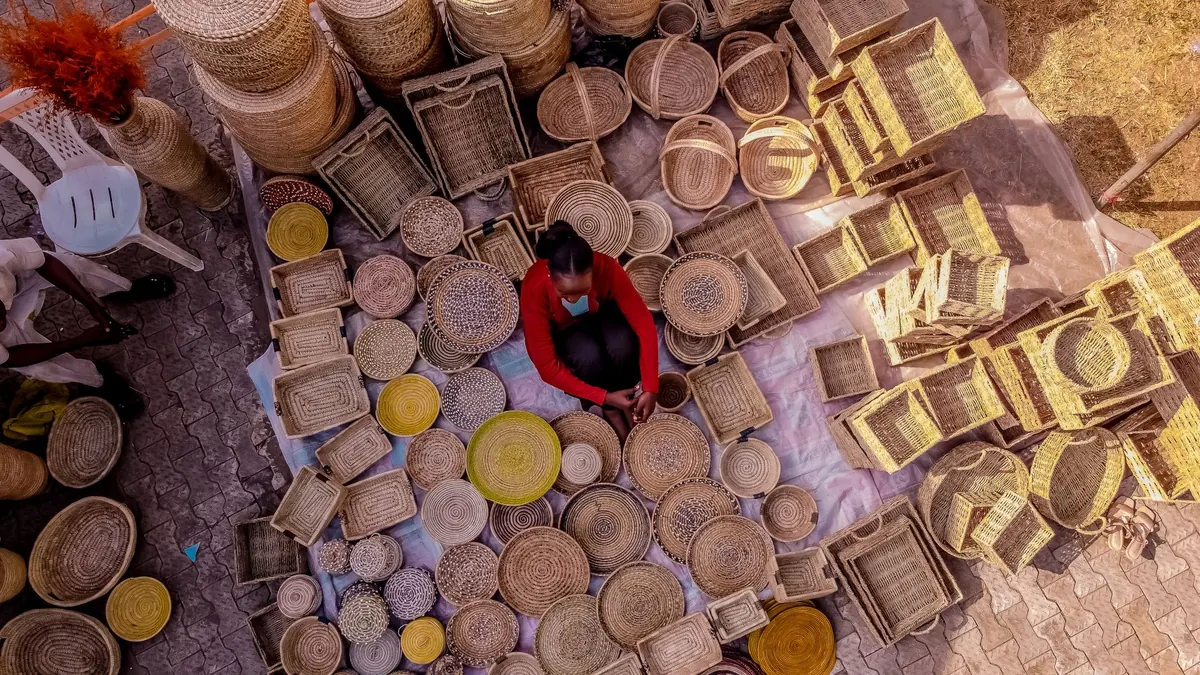
Say "basket weaving" and most people picture a single material. In practice you will meet three: reed, willow, and cane. A finished basket gives little away, but on the workbench these materials could hardly be more different. Reed arrives in tidy coils and bends like stiff string. Willow comes as a bundle of woody rods that smell like a hedgerow. Cane is thin, springy, and often headed for a chair seat rather than a basket. Choose the wrong one for your project and you will fight it for hours. Choose well and the weave teaches itself.
Start With the Names, Because They Overlap
Half the confusion comes from the words themselves. "Reed" and "cane" are both rattan, a climbing palm, just different parts of the same vine. Willow is a completely separate plant.
- Reed (rattan core): the inner part of the vine, cut into round, flat, oval, or half-round strands. This is the material sold in most craft shops for basketry.
- Cane: the thin outer skin of rattan, sold as binder cane, chair cane, or pre-woven cane webbing. Strong, fine, and usually used for rims, binding, and seats.
- Willow: a woody shrub harvested in rods and sold as brown (bark left on), buff (bark removed and boiled), or white (bark removed and soaked). You may also see it called osier.
One warning: in Britain, "cane" often means rattan in general. If you are following a tutorial written elsewhere, check which material the writer actually has in hand before you buy.
Reed: The Easiest Place to Learn
Reed is the material most teachers hand a beginner, and for good reason. Diameters are consistent, so your tension stays even, and it is forgiving of a wobbling first attempt. It takes dye and stain well, which is handy if you want a painted or two-tone basket. Flat and oval reed produce a smooth, almost fabric-like surface, while round reed gives a crisper, more open look.
The catch is water. Dry reed cracks the moment you bend it hard; over-soaked reed turns mushy and weak. Dunk round reed in warm water for about ten to fifteen minutes, and flat or oval reed for only a few minutes. Test by wrapping a strand around your finger — it should bend without a creak. Work from a damp towel, keep the rest of the bundle covered, and keep a spray bottle nearby for ends that dry out mid-row. Reed baskets are happiest indoors; leave one on a damp patio and it will soften and eventually go mouldy.
Willow: Slower Prep, Baskets That Outlive You
Willow is the traditional hedgerow material, and it behaves like wood rather than string. Finished willow baskets hold their shape for decades, take hard use in the garden, and age into a warm honey colour that no stain imitates. If you have room to grow a few stools of your own, you can cut rods each winter and never buy material again.
What you pay for that is preparation. Dry willow needs a long soak — often a day or more for thicker rods — followed by a "mellowing" period wrapped in damp cloth so the moisture evens out through the rod. Rods vary in thickness, so sort them by size before you start, or your weave will look lumpy. Willow is also springier than reed, which means your hands learn tension control the hard way. Two habits help: work with the rods a little damper than feels right, and cut every end cleanly with sharp secateurs, because crushed willow splits.
Cane: Fine Work, Rims, and Chair Seats
Cane is strong for its thickness, which makes it the natural choice for binding rims, wrapping handles, and lashing stakes. It also splinters, so run your fingers along a strand before weaving and sand any rough spots. Soak chair cane for roughly ten to fifteen minutes and binder cane for less; leave it too long and it turns slippery and hard to control.
Cane webbing is a different skill altogether. It arrives as a pre-woven sheet that you cut to size and press into a groove around a seat frame with a spline. That is a repair job rather than a weaving project, and it is worth practising on a scrap frame first.
How the Three Compare
- Learning curve: reed is calm and consistent. Willow demands patience but rewards it. Cane is easy to handle in short lengths and fiddly in long ones.
- Prep time: reed, minutes. Cane, minutes. Willow, a day or two of soaking and mellowing.
- Durability: willow is the toughest outdoors. Cane is strong but thin. Reed is fine indoors and best kept dry.
- Look: reed reads neat and modern, especially stained or painted. Willow reads rustic and glowing. Cane reads formal and delicate.
- Best uses: reed for round bases, twined baskets, and patterned wicker. Willow for rib baskets, log baskets, and garden trugs. Cane for rims, handles, and seats.
- Storage: all three want a dry, airy spot. Stand willow rods upright off the floor and keep reed and cane in breathable bags, never sealed plastic.
Choosing for Your First Projects
If you are weaving your first basket, buy a small bundle of reed in two or three sizes and make a simple round base with upright stakes. You will finish something in an afternoon, which matters more than perfection. Move to willow when you want a basket that lives outside or when you are drawn to the older shapes — the stake-and-strand and rib constructions that willow was born for. Reach for cane when a rim needs binding, a handle needs wrapping, or a chair seat needs replacing.
Buying, Storing, and a Sensible First Step
You need very little to start: a bucket, a sharp pair of clippers, a knife, a spray bottle, and a towel. Buy materials in small quantities until you know which one your hands prefer, and check bundles in person when you can — a rod that is kinked, bruised, or already splitting will only cause trouble later.
Then do one honest test. Soak a handful of round reed, weave a small base and two rows of sides, and pay attention to how the material feels as it dries. If you enjoy that rhythm, reed will keep you busy for years. If you find yourself wishing the strands were thicker, wilder, and sturdier, order a bundle of willow and give it a proper overnight soak. The material you keep reaching for is the right one for you.